
Welcome to the tenth edition of Eye on the Wild, our new weekly roundup designed to keep you up to date with the latest stories concerning British wildlife.
If you have a story you think we should cover, email us at contact@protectthewild.org.uk
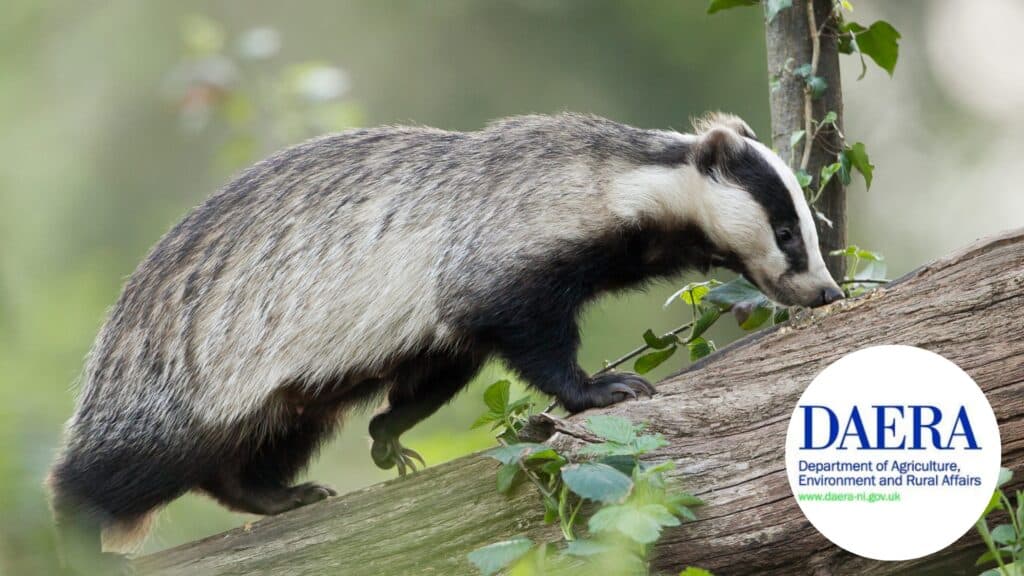
Badgers in parts of Northern Ireland are now being trapped and tested for bovine TB, with any that test positive slaughtered, under a new pilot scheme that began on 14 July.
The trial, known as Test, Vaccinate or Remove (TVR), spans both sides of the Irish border, from the Derry City and Strabane District council region, and into the north-east of Donegal.
Under TVR, badgers are trapped in cages, captured, sedated and tested for TB, then the badgers who test positive for TB are euthanised. Those testing negative are vaccinated and released.
TVR schemes face serious criticism. A study of a previous badger TVR project in Northern Ireland concluded that cow-to-cow transmission was the main driver of bovine TB.
The Badger Trust found that in Wales’s £1 million TVR programme, more than three-quarters of the badgers killed were healthy or already vaccinated.
Tom Langton is a highly respected ecologist who has been a leading figure in the fight against Defra’s slaughter of badgers in England. Langton is vocal that Daera’s new trial in Northern Ireland is flawed. Farmers Weekly reports that Langton
“argues that the methodology is incapable of demonstrating the true effectiveness of wildlife intervention measures.”
Farmers Weekly continued that Langton
“claims that the DPP test may result in healthy badgers being culled and believes resources would be better directed towards improved cattle testing methods, including phage-based blood culture testing.”
Alongside the TVR pilot, Daera has launched a 12-week public consultation on non-selective culling: the mass killing of badgers regardless of whether they carry the disease. With the consultation now open, it’s a critical moment to stand up for badgers in Northern Ireland.
Keep following Protect the Wild for updates on how you can protect badgers in Northern Ireland.

A massive win! Defra commits £5.9 million to restore ancient woodlands
Wild Card describes the ghost woods as
“once thriving ancient woodlands felled in the 20th century and now smothered by monoculture plantations. These forests should be alive with birdsong, fungi and wildflowers, but instead they’ve been turned into dark and gloomy tree farms.”
Now dedicated funding will be used to restore these ghost woods, and Forestry England has announced it will double its speed of restoration. This is a victory for Wild Card and everyone who campaigned to rewild the ghost woods.
Wild Card celebrated, saying:
“This is such incredible news for ancient woodland species from the lemon slugs to the wood anemones, to the myriad of invertebrates and you made it happen: you petition signers, you letter writers, you sluggish conga dancers, you ghost hunters, you artists, you videographers, you animators, you marchers, you lovely lovely heroes for nature. Thank you!”
Support Wild Card here.

Suffolk wildfire has caused total devastation
The scale of the ecological loss is hard to overstate. Suffolk’s coastal heaths are internationally rare habitats, supporting protected species including ground-nesting birds such as the nightjar and woodlark, the Dartford warbler, and reptiles like adders and common lizards. Conservationists warn that the loss of nesting sites, shelter and food will affect local wildlife populations for years to come.
The National Trust has urged the government to provide better support for wildfires, and has called for “immediate access” to aerial support when needed.
Finally, some great news…
So all is not lost. Thank you for joining us on this fight to protect the UK’s wildlife.